The blockchain ecosystem is evolving rapidly, moving beyond the early days of Layer 1 and Layer 2 networks. In 2025, a new infrastructure layer — Layer-3 blockchains — has emerged as one of the most important developments shaping the future of Web3.
Layer-3 blockchains are designed to sit on top of Layer-2 networks, unlocking new levels of speed, customization, and efficiency. Platforms such as ZKSync Hyperchains, StarkNet AppChains, and Polygon CDK Layer-3 solutions are leading this shift. According to CoinDesk, development activity around Layer-3 blockchains grew by more than 200% in early 2025, signaling strong developer and investor interest.
As Web3 applications expand into gaming, AI, finance, and social media, Layer-3 is quickly becoming the missing piece needed to scale blockchain technology for mainstream adoption.
What Exactly Is Layer-3?
To understand Layer-3 blockchains, it helps to see how blockchain layers work together.
- Layer 1 (like Ethereum or Bitcoin) provides security and decentralization.
- Layer 2 (such as Arbitrum or Optimism) improves speed and lowers fees.
- Layer 3 builds on top of Layer 2, focusing on application-specific performance and customization.
Layer-3 blockchains are designed for:
- Ultra-fast transactions with minimal latency
- Custom app environments tailored to specific use cases
- Specialized scaling for gaming, AI, and enterprise systems
- Lower operational costs for developers and users
Instead of trying to serve every use case at once, Layer-3 networks allow builders to create blockchains optimized for a single application or industry, without sacrificing the security of the underlying Ethereum ecosystem.
Ethereum co-founder Vitalik Buterin explained the importance of this approach on his blog, noting that Layer-3 enables “application-specific scaling” without fragmenting liquidity or weakening security.
Why Layer-3 Blockchains Are Growing Now
The rapid rise of Layer-3 blockchains in 2025 is not accidental. Several key trends are pushing adoption forward.
1. Layer-2 Adoption Reached Critical Mass
Layer-2 networks have already solved many of Ethereum’s cost and speed problems. As millions of users moved onto Layer-2s, developers began asking for more control and customization, something Layer-3 delivers.
2. Performance Demands Are Rising
Modern Web3 applications — especially gaming, AI marketplaces, and DeFi protocols — require higher throughput and predictable performance. Layer-3 chains can be optimized for these needs without competing with unrelated traffic.
3. Enterprise and Institutional Interest
Large companies want private or permissioned environments that still settle on public blockchains. Layer-3 allows enterprises to build secure systems while maintaining transparency and trust.
Together, these factors have made Layer-3 the natural next step in blockchain evolution.
Key Use Cases for Layer-3 Blockchains
Layer-3 technology unlocks powerful new use cases across Web3.
Blockchain Gaming
Games require fast transactions, low fees, and high scalability. Layer-3 chains enable real-time gameplay, in-game economies, and NFT trading without congestion.
AI Model Marketplaces
AI workloads need efficient data processing and micro-transactions. Layer-3 networks can support AI inference payments, data sharing, and decentralized AI services.
Institutional Finance Platforms
Banks and financial institutions can use Layer-3 chains for settlement, compliance, and asset tokenization, while still benefiting from public blockchain security.
Social Networks and Privacy Apps
Decentralized social platforms need scalable infrastructure with privacy controls. Layer-3 enables custom moderation, identity, and data ownership models.
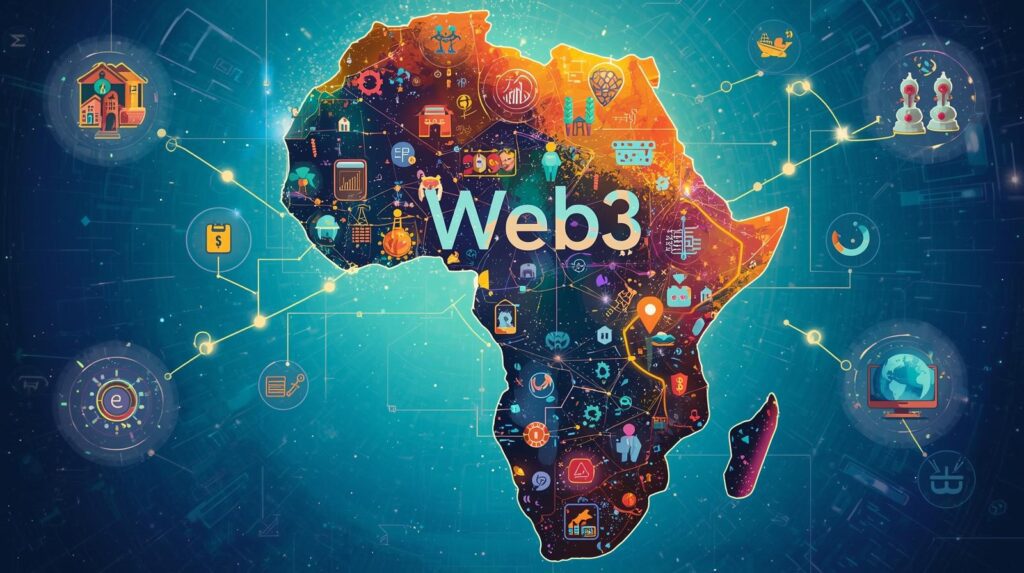
Africa’s Layer-3 Opportunity
Africa stands to benefit significantly from the rise of Layer-3 blockchains. Many African fintech startups operate in environments where micro-transactions, remittances, and mobile payments are essential.
With Layer-3 networks offering near-zero gas fees and high throughput, startups can build blockchain-powered services for:
- Cross-border payments
- Micro-lending and savings
- Gaming and creator platforms
- Mobile-first financial tools
By deploying Layer-3 solutions on top of established Layer-2 networks, African builders can bypass infrastructure limitations while reaching global markets.
What Comes Next for Layer-3?
Layer-3 blockchains are not replacing Layer-2 networks. Instead, they complement them. Layer-2 handles general scaling, while Layer-3 delivers specialization.
Together, they form a multi-layered blockchain internet, where applications run efficiently without sacrificing decentralization or security.
As tooling improves and onboarding becomes easier, Layer-3 is expected to play a central role in Web3’s growth heading into 2026 and beyond.
Final Thoughts
The rise of Layer-3 blockchains marks a major turning point for Web3. By enabling application-specific scaling, lower costs, and better performance, Layer-3 networks are pushing blockchain technology closer to mainstream use.
For developers, enterprises, and emerging markets alike, Layer-3 represents not just another upgrade — but a foundational shift in how decentralized systems are built.