The internet has changed how we communicate, work, and build businesses. But much of the physical infrastructure that powers the digital world — internet networks, cloud storage, GPS data, and computing power — is still controlled by a few large corporations. This is where Decentralized Physical Infrastructure Networks (DePIN) come in.
DePIN is one of the fastest-growing trends in Web3. It uses blockchain and tokens to allow everyday people to build, own, and maintain real-world infrastructure together. According to Messari’s DePIN Report the DePIN sector could grow into a $3 trillion market in the coming years.
In simple terms, DePIN turns infrastructure into a community-owned network, instead of a monopoly.
What Is DePIN in Simple Terms?
DePIN stands for Decentralized Physical Infrastructure Networks.
Instead of one company owning servers, towers, or sensors, many individuals contribute small pieces of hardware and get rewarded with tokens for keeping the network running.
Examples of what people contribute include:
- Internet hotspots
- GPUs for computing
- Storage devices
- Vehicle data sensors
- IoT and environmental sensors
Smart contracts track contributions automatically and distribute rewards transparently.
This model removes middlemen and gives users ownership, not just access.
How DePIN Works (Step by Step)
DePIN networks usually follow a simple process:
- A network launches with a specific purpose (internet, storage, computing, mobility, etc.)
- People install hardware or run nodes.
- The network verifies activity on-chain.
- Contributors earn tokens.
- Businesses or users pay to access the service.
This creates a self-sustaining system where usage drives value, not hype.
Leading DePIN Networks to Know
Some DePIN projects are already operating at a global scale:
Helium – Decentralized Wireless
Helium allows users to run hotspots that provide wireless connectivity. It’s already being used for IoT and mobile data.
Edge Network
Edge is the world’s first decentralized cloud, designed to power the future of the internet and autonomous AI agents. It employs the use of nodes run from around the world to manage data, VPS, decentralized storage and more.
Render Network – Distributed GPU Power
Render lets creators and AI developers access decentralized GPU computing for rendering and AI workloads.
Filecoin – Decentralized Storage
Filecoin replaces traditional cloud storage with a global network of storage providers.
DIMO – Mobility Data Network
DIMO allows vehicle owners to earn rewards for sharing car data securely
According to CoinDesk, investor interest in DePIN startups surged sharply in 2025 as real-world adoption increased.
Why DePIN Matters So Much
DePIN is not just another crypto trend. It solves real problems.
1. Shared Ownership
Users help build infrastructure and own part of the network.
2. Lower Costs
Decentralized networks reduce capital expenses compared to centralized providers.
3. No Monopolies
Infrastructure becomes open and permissionless instead of locked behind corporations.
4. Real-World Utility
DePIN powers real services like internet access, cloud storage, and computing.
5. Massive Scalability
Anyone, anywhere, can join and expand the network.
This is why DePIN is often called “Web3 meets the real world.”
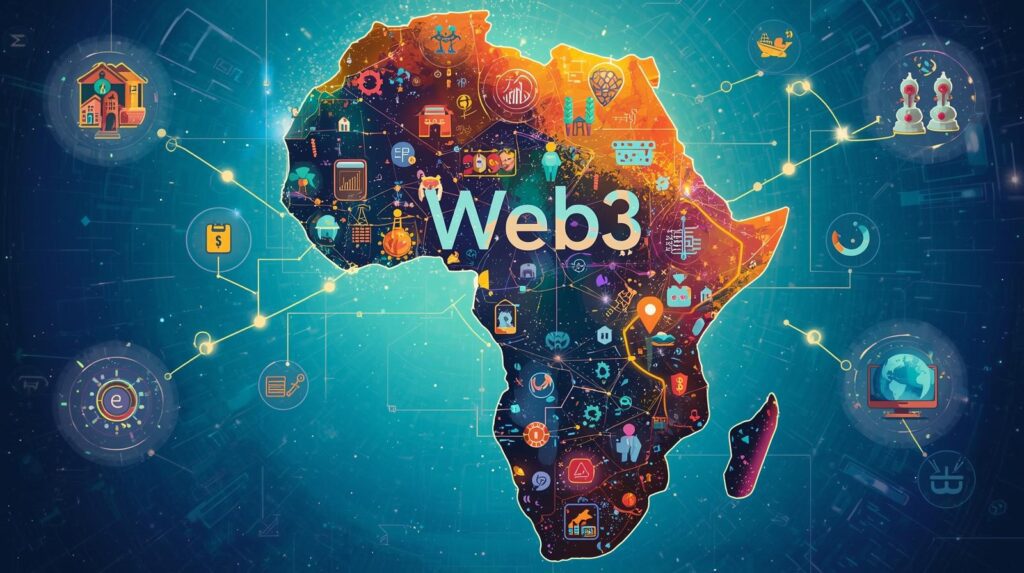
Africa’s Massive DePIN Opportunity
Africa may be one of the best regions in the world for DePIN growth.
Why?
- Huge infrastructure gaps
- Mobile-first population
- Growing crypto adoption
- Affordable hardware deployment
- Strong developer communities
Countries like Nigeria, Kenya, and South Africa are already seeing DePIN experiments in:
- Rural internet connectivity
- Decentralized storage
- Energy monitoring
- Smart mobility systems
Helium hotspots deployed in parts of Nigeria and Kenya have already helped improve connectivity in underserved areas.
Instead of waiting for billion-dollar telecom rollouts, communities can build infrastructure themselves.
Economic Impact of DePIN
DePIN networks can unlock new economic models:
- Passive income for individuals
- New jobs in hardware deployment and maintenance
- Local ownership of critical infrastructure
- Reduced dependency on foreign corporations
This aligns perfectly with Africa’s push for digital sovereignty.
Risks and Challenges
Despite its promise, DePIN still faces challenges:
- Hardware costs for new users
- Regulatory uncertainty
- Network reliability at scale
- Token price volatility
- Education and onboarding barriers
However, these are early-stage problems, similar to what cloud computing faced 15 years ago.
The Future of DePIN
DePIN could become the default model for building infrastructure in the digital age.
Instead of asking:
“Which company owns this network?”
The future question becomes:
“Which community runs it?”
As Web3 matures, DePIN may power:
- Decentralized ISPs
- Community-owned data centers
- Open AI infrastructure
- Smart cities
- Energy and sensor networks
DePIN is not replacing governments or companies — it’s giving people a seat at the table.
Final Thoughts
DePIN represents one of the clearest examples of Web3 delivering real-world value.
By combining blockchain incentives with physical infrastructure, DePIN transforms users from customers into owners.
For Africa and emerging markets, this could be a historic opportunity to build faster, cheaper, and more inclusive infrastructure — together.