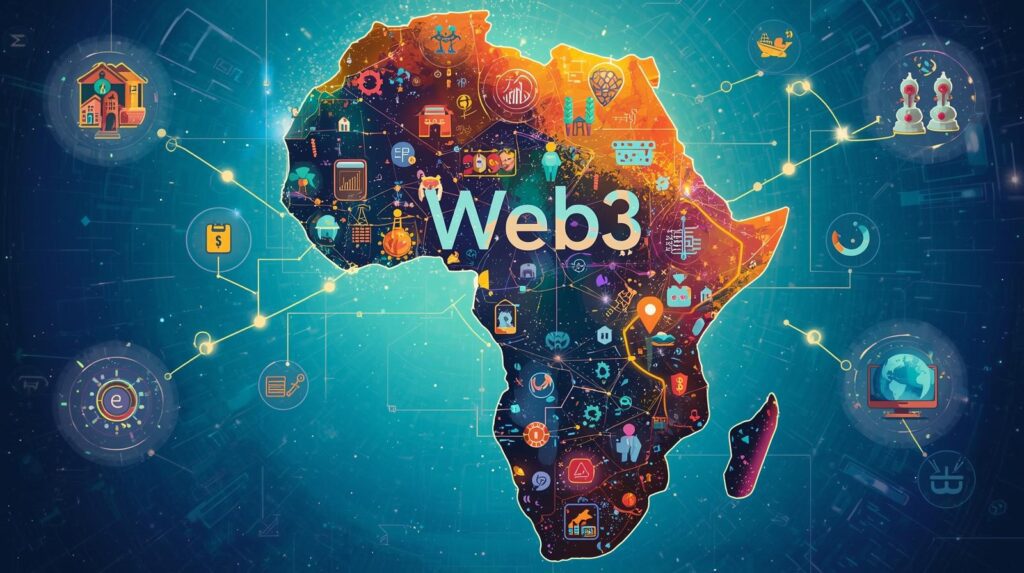
Africa has quietly become the global testing ground for the future of money, and the future of digital payments in Africa is so incontrovertible that many outside the continent are surprised at the speed of adoption.
While much of the world still debates how digital payments should work, millions of Africans already rely on mobile wallets, crypto apps, and instant transfers to survive daily economic challenges. According to the IMF Fintech Notes, Africa’s mobile money platforms now process more transactions than all of Europe and the United States combined.
In 2025, Africa is no longer just “catching up.” It is leading the transition toward a new hybrid payment system that blends stablecoins, central bank digital currencies (CBDCs), and modern fiat rails. The future of digital payments in Africa is fast becoming one of the wonders of the modern world.
This article breaks down how these three systems work, why Africa is uniquely positioned, and what the future looks like.
Why Digital Payments Matter More in Africa Than Anywhere Else
Money problems in Africa are different.
Many countries face:
- High inflation
- Currency instability
- Expensive cross-border transfers
- Limited access to traditional banking
At the same time, Africa has:
- A mobile-first population
- One of the youngest tech-savvy demographics in the world
- Huge diaspora remittance flows
- Strong adoption of digital tools
This combination has created perfect conditions for payment innovation.
Instead of choosing one system, Africa is building a three-rail future.
The Three Payment Rails That Will Shape Africa’s Future
1. Stablecoins: The Digital Dollar Era
Stablecoins are cryptocurrencies pegged to stable assets like the US dollar. Examples include USDT, USDC, and newer Africa-focused tokens like cNGN.
Unlike volatile cryptocurrencies, stablecoins are designed to maintain value.
Why Stablecoins Are Exploding in Africa
Stablecoins solve real problems:
- Low-cost remittances
Sending money from the US or Europe to Africa via banks can cost 5–10%. Stablecoins reduce this to near zero. - Inflation protection
In countries facing currency devaluation, holding USDC or USDT protects savings. - Speed
Transactions settle in minutes, not days like SWIFT transfers. - Accessibility
Anyone with a smartphone can receive stablecoins.
According to Coinbase Research, stablecoin usage in emerging markets surged between 2023 and 2025, driven largely by Africa and Latin America.
Real-World Stablecoin Use in Africa
- Freelancers receive USDC instead of local bank transfers
- Importers pay suppliers using USDT
- SMEs hedge against currency risk
- Diaspora families send funds instantly
Stablecoins are becoming Africa’s unofficial digital dollar system.
2. Central Bank Digital Currencies (CBDCs): Government-Issued Digital Money
CBDCs are digital versions of national currencies issued by central banks.
Africa is one of the most active regions experimenting with them.
Active CBDC Projects in Africa
- Nigeria – eNaira
- Ghana – eCedi
- South Africa – Digital Rand pilots
CBDCs allow governments to:
- Track money flows
- Reduce corruption
- Enable programmable payments
- Improve financial inclusion
The IMF and World Bank both support CBDC pilots as tools for financial transparency.
Benefits of CBDCs
- Government backing
- Lower reliance on cash
- Direct welfare and subsidy payments
- Improved tax collection
The Privacy Debate
CBDCs raise concerns:
- Transaction monitoring
- Surveillance risks
- Limited anonymity
This is where Africa’s hybrid future becomes important.
CBDCs may coexist with stablecoins rather than replace them.
3. Modern Fiat Rails: Faster, Smarter Banking
While crypto gets headlines, traditional fiat systems in Africa are also improving rapidly.
Key Instant Payment Systems
- Nigeria – NIP (NIBSS Instant Payment)
- Kenya – M-Pesa
- South Africa – PayShap
These systems allow:
- Instant transfers
- 24/7 payments
- Low transaction fees
- Mobile-first access
M-Pesa alone handles billions of dollars monthly, according to Safaricom data.
Rather than dying, fiat rails are evolving to integrate with crypto and CBDCs.
Why Africa Is Leading the Global Payments Shift
Africa’s advantage isn’t technology alone — it’s a necessity.
Key Drivers
- Mobile-first population
Many users skipped desktops and went straight to smartphones. - High remittance demand
Billions flow into Africa yearly from diaspora communities. - Inflation pressure
Digital alternatives protect value. - Young workforce
Africa has the world’s youngest median age. - Weak legacy banking systems
Less resistance to innovation.
Unlike developed markets stuck with legacy systems, Africa can leapfrog.
The Rise of a Hybrid Payment Economy
Africa won’t choose between:
- Stablecoins
- CBDCs
- Fiat rails
It will use all three.
What a Hybrid System Looks Like
- Salaries paid via bank or CBDC
- Savings held in stablecoins
- Daily spending via mobile money
- Cross-border payments via crypto
- Taxes paid digitally
This flexibility is Africa’s secret weapon.
Challenges That Must Be Solved
Despite progress, major hurdles remain.
1. Regulation
- Stablecoin laws remain unclear
- Cross-border compliance issues
- Consumer protection gaps
2. Interoperability
- Banks, wallets, and blockchains must connect
- Fragmented systems slow adoption
3. Cybersecurity
- Rising crypto scams
- Wallet theft
- Social engineering attacks
(See: AI-Powered Cybersecurity on AndroidRev)
4. Privacy Concerns
- CBDC surveillance fears
- Data misuse risks
Governments, startups, and regulators must collaborate.
The Road Ahead: Africa’s Payment Future
Africa is on track to become the world’s first fully hybrid digital payment region.
By 2030, expect:
- Seamless fiat–crypto conversion
- Stablecoins integrated into banks
- CBDCs used for public services
- Cross-border payments in seconds
- Reduced reliance on cash
Rather than copying Western systems, Africa is building something new.
Final Thoughts
The future of digital payments in Africa is not just bright; it means Africa is positioned to lead at some point. Africa is not just adopting digital payments — it is redefining them.
The future of money will not be built in boardrooms alone. It will be shaped by millions of users sending money, saving value, and transacting across borders every day.
And much of that future is being written right now in Africa.
Written by AndroidRev Editorial Team — covering Africa’s Web3, fintech, and AI economy.