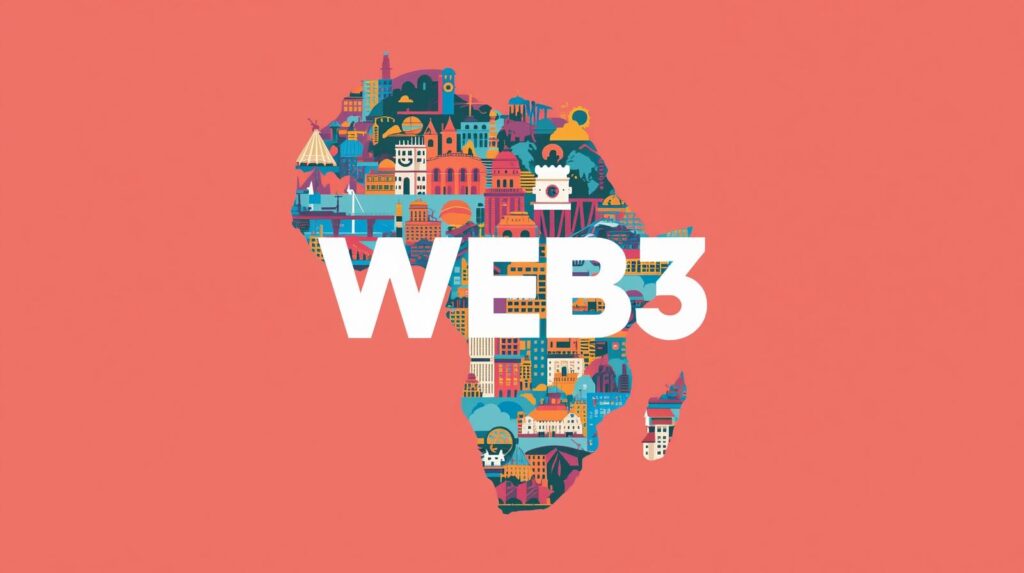
Africa’s Web3 boom and the revolution that is to follow is no longer hypothetical — it is happening in real time. Across Nigeria, Kenya, Ghana, Rwanda, and South Africa, a new generation of founders is harnessing blockchain technology to address problems that traditional systems have failed to solve. In 2025, African Web3 innovation is attracting global attention and investment, positioning the continent as a key player in the next era of the internet.
Why Web3 Is Growing Faster in Africa
Unlike other parts of the world where Web3 adoption is driven by speculation, Africa’s growth is built on necessity. With high inflation, unstable currencies, and limited access to global financial services, blockchain provides practical solutions.
Drivers include:
- Mobile-first population
- Strong youth demographic (over 70% are under age 35)
- High cross-border payment inefficiencies
- Rapid rise of digital entrepreneurship
Reports from blockchain analytics firms indicate that Africa accounts for over $100 billion in annual crypto transaction volume, with Nigeria consistently ranked among the top global adopters.
Local Founders Solving Local Problems
Africa’s Web3 startups are focusing on real, everyday issues:
- Decentralised savings apps helping users hedge against inflation
- Remittance platforms reducing transfer fees from 12% to under 3%
- Blockchain identity systems enabling students to verify certificates
- Tokenized crowdfunding tools supporting creators and small businesses
- Web3 gaming and SocialFi apps leveraging Africa’s entertainment culture
One example is the rise of Web3-based agricultural finance platforms in East Africa, enabling small farmers to access transparent funding and supply chain tracking.
Other Great Reads – CharGPT vs Google Gemini
Global Investors Are Paying Attention
Major global funds and exchanges now see Africa as a frontier for Web3 growth. Venture investment in African blockchain startups grew over 200% between 2021 and 2024 and continues to rise in 2025 despite global downturns.
Partnerships with companies like Binance, Polygon, and Chainlink are enabling:
- developer education
- grant programs
- hackathons
- on-chain infrastructure deployment
These collaborations lower the barrier for African developers entering the Web3 ecosystem.
Challenges Facing Web3 in Africa
Despite impressive progress, several issues remain:
- inconsistent government regulation
- limited electricity and internet infrastructure in rural areas
- lack of widespread crypto education
- scams and Ponzi schemes damaging public trust
However, many governments are becoming more open to regulatory frameworks that support innovation while ensuring consumer protection.
The Future
Africa’s Web3 boom is still in its early stages. But the continent’s unique combination of youth, mobile adoption, and economic challenges makes it the ideal environment for blockchain transformation. If current momentum continues, African founders could shape global Web3 standards across identity, payments, and decentralised finance.
Written by The Insignia Team – bringing you insights on AI, Web3, and the future of innovation.